
Technical White Paper
Scaling In-Vehicle AI
From Telematics to Autonomous Perception
A Technical White Paper on How Compute Requirements Evolve Across In-Vehicle AI Workloads
Traditional in-vehicle computing has focused heavily on vehicle telemetry, connectivity, data logging, and fleet management. As AI moves into driver monitoring, perception, sensor fusion, and autonomous functions, system requirements become significantly more complex.
This white paper provides a practical framework for understanding how in-vehicle AI workloads scale and how to select the right compute architecture for deployment.
- How in-vehicle AI scales from Monitor → Analyze → Understand → Act
- How system requirements change from basic telematics to autonomous perception
- How to compare x86, NVIDIA Jetson, and x86 + discrete GPU architectures
- How sensor bandwidth, memory, storage, power, and thermal constraints affect system design
- How to select an architecture based on the complete workload and data path


Why Download the White Paper?
In-Vehicle AI Workloads Are Becoming More Complex
As cameras, AI inference, and sensor complexity increase, bottlenecks can shift from processor performance to sensor bandwidth, memory throughput, storage, networking, power, and thermal capacity.
Selecting hardware based only on CPU, GPU, or TOPS performance can result in an architecture that cannot support the complete workload.
This white paper introduces a workload-driven framework that evaluates the entire system—from sensors and interfaces to processing, storage, networking, and vehicle output.
Download White PaperIn-Vehicle Computing VS In-Vehicle AI
Traditional in-vehicle computing connects and monitors. In-vehicle AI adds interpretation, intelligence, and real-time decision support.
In-Vehicle Computing


- Collects vehicle data
- Records camera feeds
- Reads CAN Bus data
- Connects to fleet systems
In-Vehicle AI


- Interprets vehicle data
- Analyzes camera feeds
- Combines telemetry with AI
- Generates intelligent events
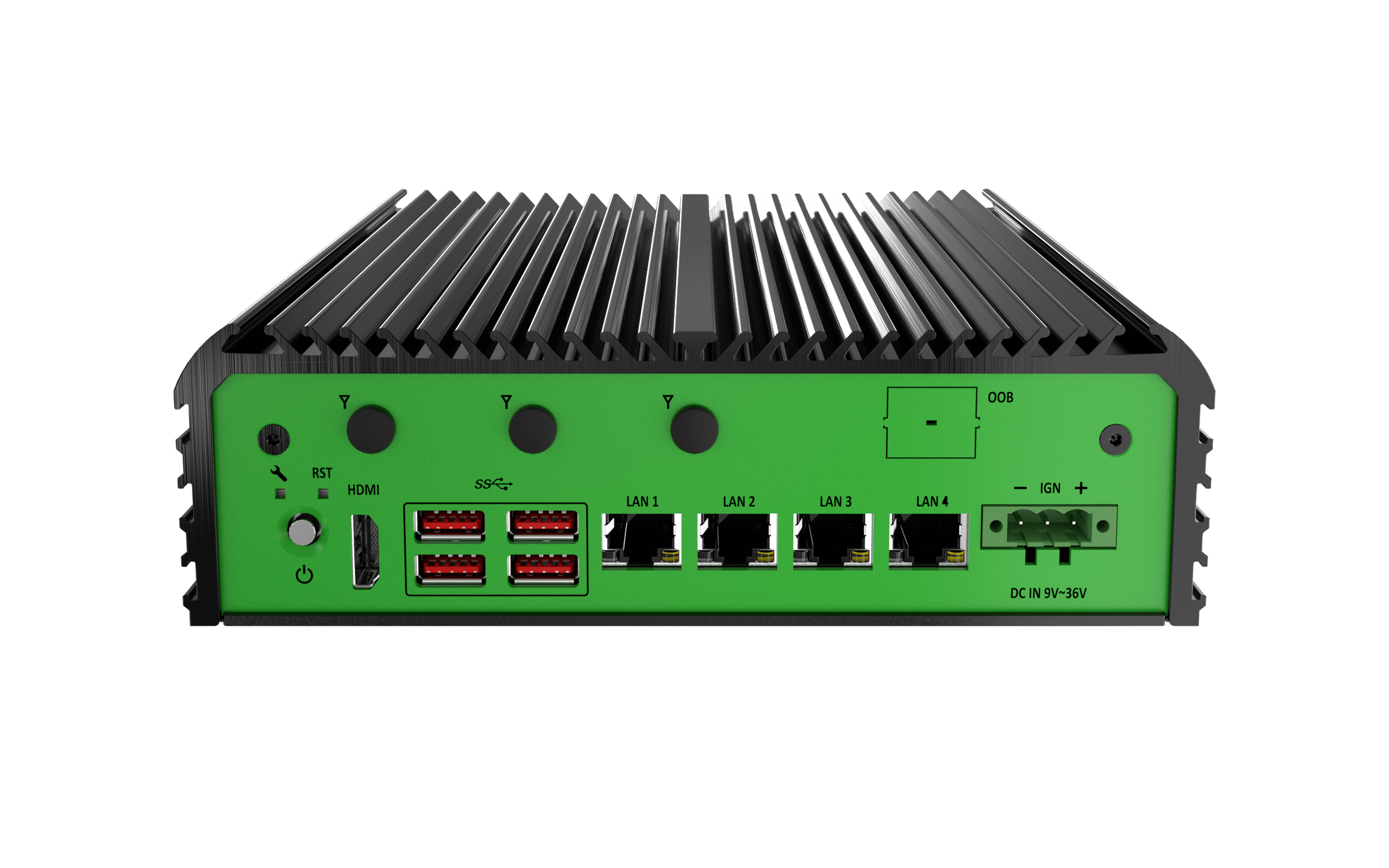
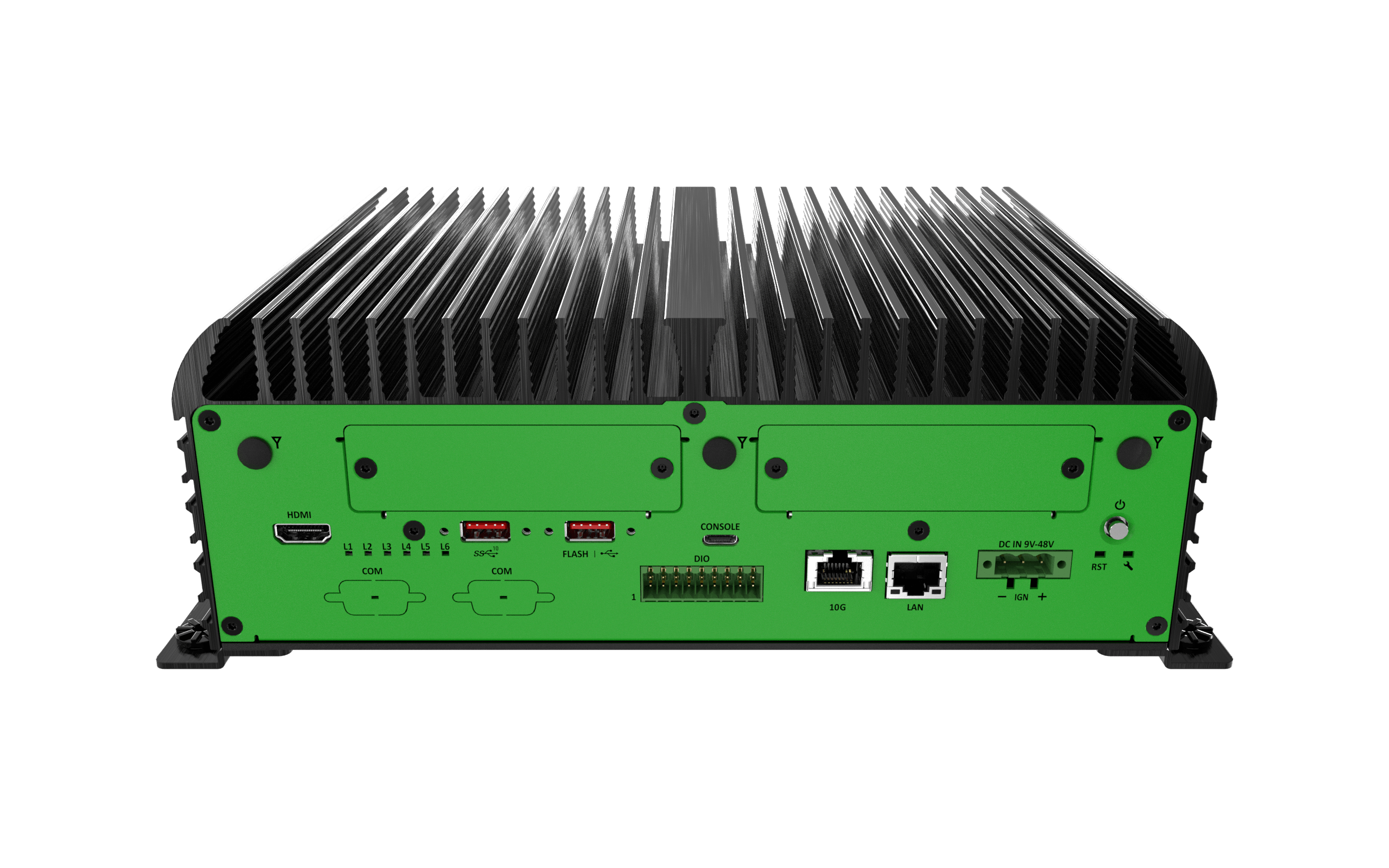
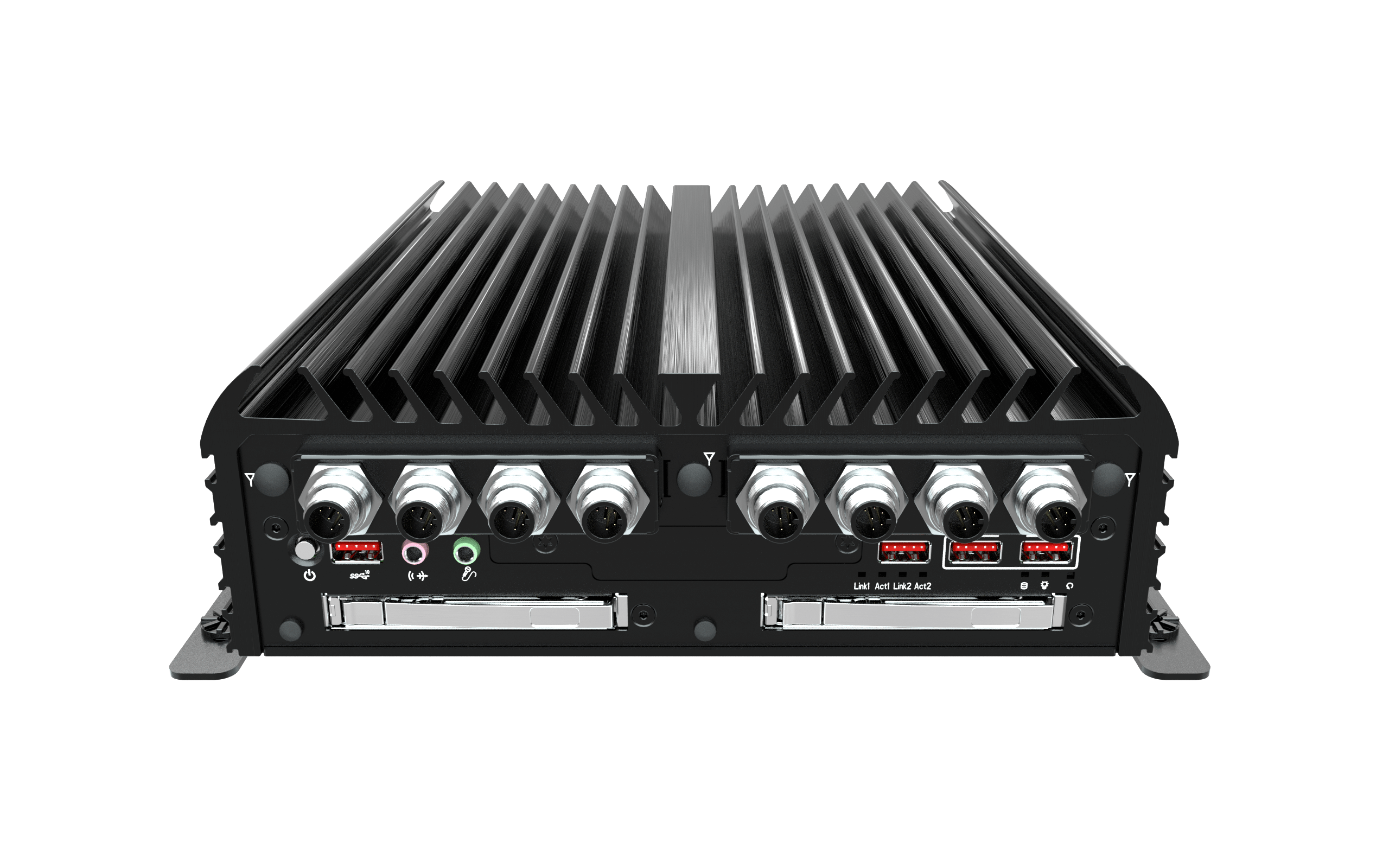
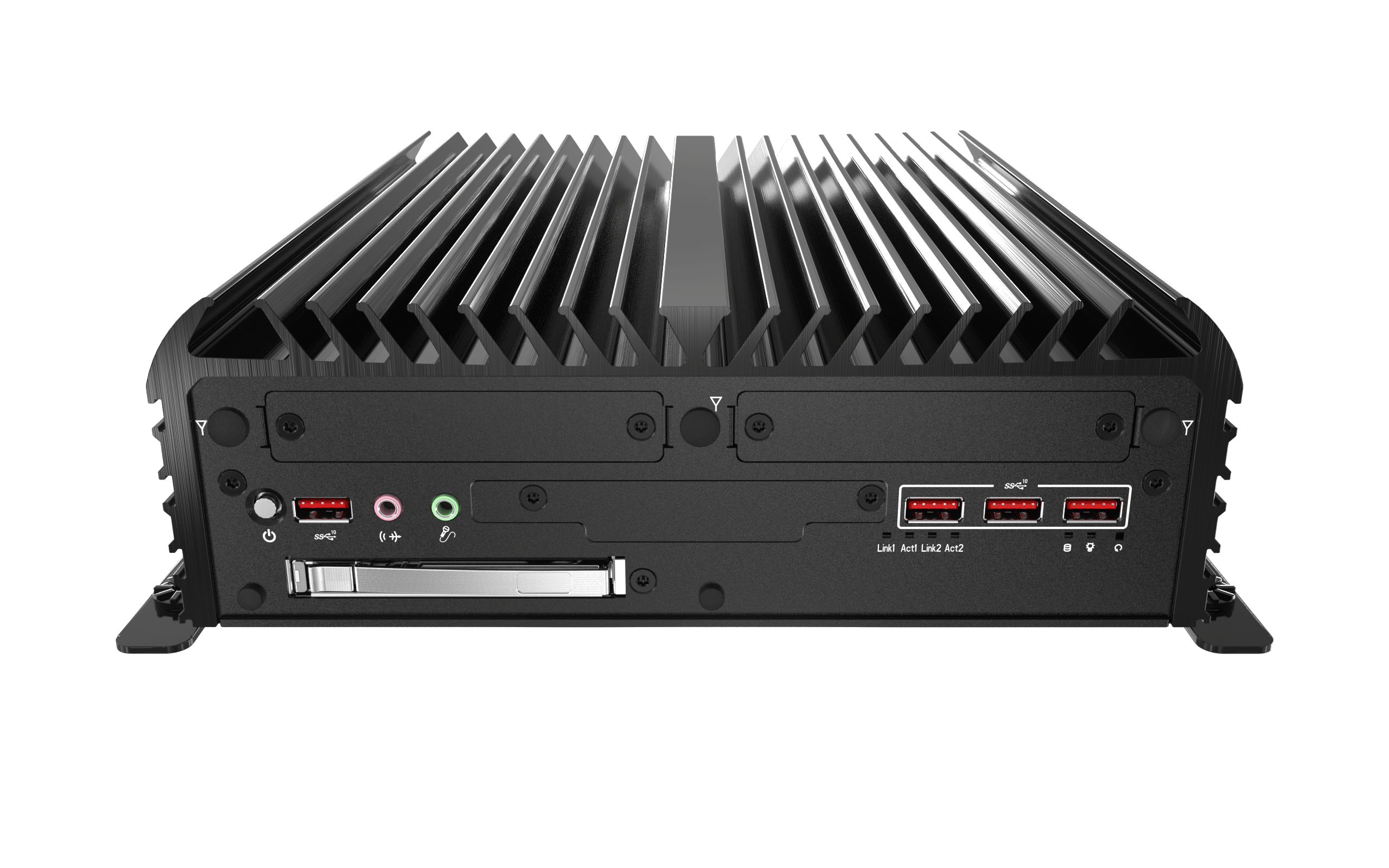
How In-Vehicle AI Workloads Scale
As workloads progress through these levels, the entire system architecture must scale together—not just compute performance.






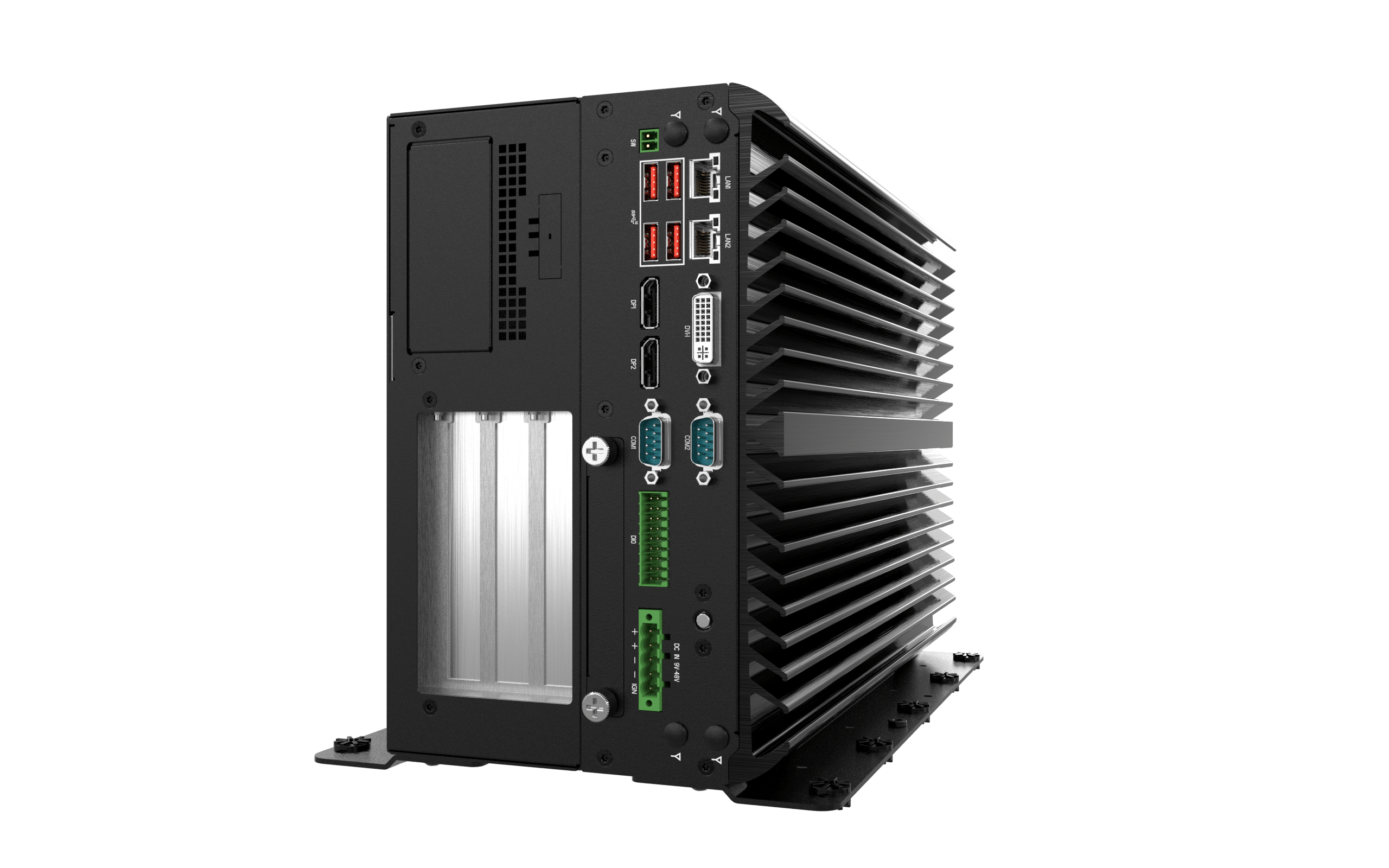


Choosing the Right In-Vehicle AI Architecture
The right architecture depends on the workload, sensor topology, I/O, power, thermal, and vehicle-integration requirements.
x86

BEST FIT
Telematics & Fleet Applications
General purpose compute • Rich I/O • Software flexibility
NVIDIA Jetson

BEST FIT
Multi-camera & Perception Workloads
Integrated AI • Vision processing • Compact edge deployment
x86 & Discrete GPU

BEST FIT
Advanced AI & Perception Workloads
Higher AI compute • Sensor fusion • Complex Workloads
Key In-Vehicle AI Applications

Driver Monitoring Systems (DMS)
Improve driver safety and reduce risk with AI-powered monitoring.

AI Dashcam & Incident Detection
Analyze road-facing video to detect unsafe events, collisions, or near misses.

Advanced Vehicle Perception
Use cameras and sensors to identify vulnerable objects around the vehicle.

Autonomous & Robotic Mobility
Enable self-driving and automated vehicles for more efficient and sustainable mobility.